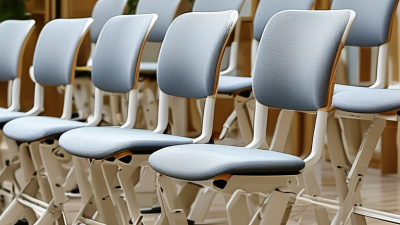
How to Choose Nesting Training Chairs for Your Business?
Choosing nesting training chairs is not simply a matter of comparing prices and colors. The right decision affects comfort, room capacity, movement, storage, and long-term maintenance. A chair may look efficient in a showroom, yet feel unstable after four hours of training. Small details matter.
Ergonomist Alan Hedge is widely associated with the practical reminder, “The best posture is the next posture.” This principle fits flexible learning spaces well. Nesting training chairs should support natural movement, not force every user into one rigid position. Look for adjustable features, supportive backrests, breathable materials, and smooth casters that move safely across the floor. Check the seat width, writing tablet strength, frame construction, and stacking or nesting clearance. Measure the storage doorway too. That mistake happens.
Real purchasing decisions also require evidence. Ask manufacturers for weight ratings, warranty terms, replacement-part availability, and tested durability information. Then request samples. Sit in them. Nest several chairs yourself. A product that nests beautifully may scrape floors, pinch fingers, or become difficult to separate when the room is crowded. These issues are easy to miss in photographs.
Budget remains important, but the lowest unit price can hide higher replacement and labor costs. Consider cleaning routines, daily repositioning, training-room layouts, and staff handling time. No checklist is perfect. Even experienced buyers can overlook noise, tablet balance, or uneven flooring. This guide will help businesses compare nesting training chairs with clearer standards, practical observations, and a little healthy skepticism before placing a large order.
Define Your Business Needs and Chair Use Cases
How to Choose Nesting Training Chairs for Your Business?
Define your business needs before comparing chair features.
A training room for two-hour workshops needs more than compact seating. Measure room dimensions, aisle widths, storage areas, and expected attendance. Then record how often teams change layouts. Small classrooms may need quick nesting and easy movement. Larger rooms may prioritize stable rows, writing surfaces, and rapid reset.
The 2024 Gallup Global Workplace Report found that only 23% of employees were engaged worldwide.
A focused learning environment cannot solve every engagement problem, but uncomfortable seating can create avoidable friction. Consider user behavior closely. Will people write, use laptops, collaborate in groups, or listen for long periods? The U.S. Bureau of Labor Statistics projects 12% employment growth for training and development specialists from 2023 to 2033. Training spaces may therefore serve more sessions and more varied learners.
Test chairs with real users, not only procurement staff.
Ask participants to sit, move, write, and stack them after a session. Check whether nesting remains simple when the room is crowded. It may not. Review seat height, back support, weight capacity, caster performance, and cleaning requirements. Also calculate total ownership cost, including repairs, storage space, and replacement frequency. A low purchase price can become expensive when chairs fail under daily use. Do not assume one model suits every department. A practical trial often exposes needs that a spreadsheet misses.
Compare Nesting Chair Designs and Essential Features
How to Choose Nesting Training Chairs for Your Business?
Nesting chairs should match the room, not just the catalog photo.
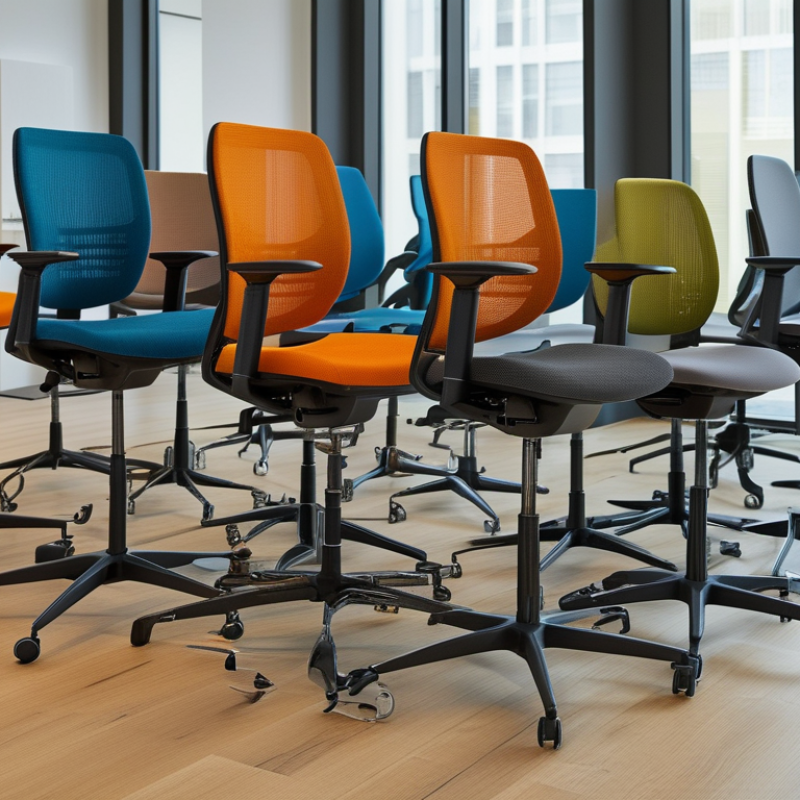
In training rooms, four-leg frames usually feel stable during long sessions. Sled bases slide smoothly across hard floors, but they can drag on thick carpet. Chairs with casters move faster between layouts. Locking casters are essential during writing or group work.
Check the footprint. Measure it twice.
Seat design also affects comfort and storage.
Open backs improve airflow and make lifting easier. Upholstered backs feel warmer, yet they require more careful cleaning. Molded seats resist spills and daily handling.
A flexible backrest can reduce pressure during extended classes. However, excessive flexibility may feel unstable for larger users. Confirm the chair’s tested weight capacity and seat dimensions.
Armrests add comfort, but they often reduce nesting efficiency.
Look for a nesting gap that prevents scratched frames and trapped fingers.
A built-in handle makes each chair easier to move. Writing tablets should support ordinary notebooks without blocking the user’s knees. Tablet hinges need firm movement, not loose rattling.
Inspect welds, fasteners, and exposed edges before purchase. I once focused too much on compact storage and overlooked seat comfort. That mistake made afternoon training noticeably harder.
Choose cleanable surfaces, replaceable glides, and a frame finish suited to frequent movement.
Test several chairs in the actual room.
Sounds obvious. It is often skipped.
Assess Comfort, Safety, Materials, and Durability
Choosing nesting training chairs starts with the person who sits in them. Test each chair for a full session, not just five minutes. The seat should support the thighs without pressing behind the knees. A slightly flexible back can reduce stiffness during long presentations. Check seat height against the tables used in your rooms. Casters should roll smoothly and lock when needed. Small details matter.
Tips: Ask several users to trial the chairs, including shorter and taller adults. Watch how easily staff can nest them without pinched fingers or sudden tipping. Inspect edges, fasteners, and underside surfaces before purchase. Materials should match daily cleaning and storage conditions. Molded plastic may resist spills, while coated metal can provide a firm frame. Upholstery feels warmer, but it may absorb stains and odors. Request care instructions and documented load testing. Confirm that the design meets applicable safety requirements.
Durability depends on movement, stacking, and neglect. In a busy training room, chairs are dragged, stacked unevenly, and stored near walls. Look for reinforced joints, stable nesting clearance, and replaceable glides. A showroom test is not enough. I have found that easy inspection improves maintenance, although teams often postpone it. That weakness should influence the buying decision. Record trial results, warranty terms, and cleaning limits before approving the order. Safety can be overlooked when appearance dominates the discussion.
Evaluate Suppliers, Pricing, and Long-Term Value
A low chair price can hide expensive decisions. Evaluate the supplier before comparing quotations. Request a physical sample, not only polished photographs. Check welds, hinge movement, seat edges, and caster stability. Ask for documented load tests, material details, production capacity, and inspection procedures. A reliable supplier answers clearly and accepts reasonable questions. Delayed replies often predict delayed problem-solving after delivery.
Compare total cost per usable year, not just unit price. Include freight, import charges, assembly, storage, cleaning, and replacement parts. Ask whether damaged seats, glides, or casters can be purchased separately. A chair that nests tightly may reduce storage space and handling labor. Measure a real stack in your room. Catalog dimensions can be optimistic. Request a written warranty with coverage periods, exclusions, and response times. Volume discounts matter, but inconsistent batches can erase savings.
Long-term value also depends on comfort and daily movement. Test chairs with staff during realistic meetings, including two-hour sessions. Note wobbling, sharp contact points, fabric staining, and noise while nesting. One uncomfortable lesson is treating the lowest quote as a clear win. The chairs may look fine, while replacement parts remain unavailable. Keep samples for several weeks when possible. Record damage, cleaning time, and user complaints. A supplier willing to review these records offers stronger evidence than sales promises.
How to Choose Nesting Training Chairs for Your Business?
Five-year ownership cost per chair based on purchase price, freight, routine maintenance, and replacement allowance.
The model compares common nesting-chair configurations without using company or brand data. Lower total ownership cost can indicate stronger long-term value, but durability, warranty coverage, nesting efficiency, and supplier service should also be evaluated.