How to Choose Ergonomic Foot Rests for Maximum Comfort?
In today's fast-paced work environment, comfort plays a vital role in productivity. Research indicates that ergonomic foot rests can significantly enhance workplace comfort. According to the Occupational Safety and Health Administration (OSHA), improper seating and foot positioning lead to increased discomfort and fatigue. This often results in decreased work efficiency.
Incorporating ergonomic foot rests may alleviate some of these issues. A study by the Human Factors and Ergonomics Society reveals that proper foot support can improve posture and reduce strain on the lower back. The report suggests that foot rests enhance blood circulation, which can help mitigate health problems associated with prolonged sitting.
However, not all ergonomic foot rests are created equal. Various models claim to promote comfort, but users often report inconsistencies in their effectiveness. It is important to assess your specific needs and workspace before making a purchase. Quality, adjustability, and material choice are crucial factors to consider. Often, the best choice requires careful thought and sometimes trial and error.
Understanding the Importance of Ergonomic Foot Rests for Comfort
Ergonomic foot rests play a crucial role in enhancing overall comfort, especially for individuals who spend long hours sitting. Research indicates that nearly 60% of office workers experience discomfort due to poor seating ergonomics. This discomfort can lead to reduced productivity and increased fatigue. An effective foot rest helps maintain proper posture, distributing weight evenly and alleviating pressure on the lower back.
A study by the Occupational Safety and Health Administration highlights that proper foot support can enhance circulation in the legs, reducing the risk of conditions like deep vein thrombosis. Foot rests can improve blood flow by encouraging slight movement, which is essential during prolonged sitting. Many people overlook the significance of these tools, often opting for standard models that lack adjustable features. Adjustable foot rests allow users to find their ideal height and angle, which is vital for tailored comfort and support.
Users often fail to recognize that selecting a foot rest is not just a personal choice but a necessity. Moreover, some workers may undervalue the potential impact of foot rests on overall health. Ensuring proper foot placement can significantly influence long-term musculoskeletal health. Reflecting on personal experiences with discomfort could prompt a re-evaluation of foot rest choices, encouraging a shift towards more ergonomic solutions.
Key Features to Look for in Ergonomic Foot Rests
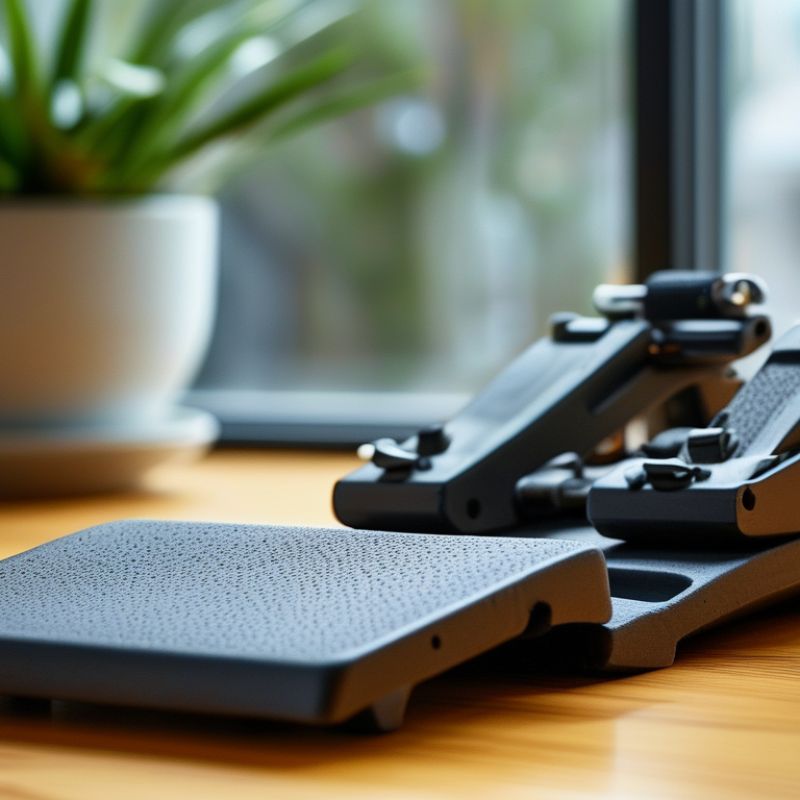
When choosing ergonomic foot rests, several key features can enhance comfort and promote good posture. Look for adjustable height options. Users can often customize their foot rest to match their chair and desk height, which is essential for proper alignment. A foot rest should have a non-slip surface, ensuring it stays in place during use. This stability can prevent distractions while working.
Comfort is paramount. Look for a foot rest with contours or cushioning to reduce pressure points. Materials should be breathable to avoid discomfort from long hours of use. Some models even offer massage features or a rocking motion. These can add to the relaxation during breaks.
Consider the overall size and portability. A compact design makes it easier to move and store, especially in limited workspaces. Reflect on your habits. Do you often shift your feet? If so, a hyper-responsive foot rest might be beneficial. Engage with your body’s feedback. Choosing the right foot rest might take time. Always prioritize comfort and alignment over aesthetics. This choice can significantly contribute to overall well-being.
How to Choose Ergonomic Foot Rests for Maximum Comfort? - Key Features to Look for in Ergonomic Foot Rests
| Feature |
Description |
Importance |
| Height Adjustment |
Allows customization of footrest height to suit individual user needs. |
Essential for supporting proper leg alignment. |
| Tilt Angle |
Enables adjusting the angle of the footrest to improve comfort and circulation. |
Helps reduce pressure on the legs and back. |
| Material |
Should be durable and comfortable, such as foam or breathable fabric. |
Affects comfort and longevity. |
| Non-slip Base |
Prevents movement on the floor surface while in use. |
Important for stability and safety. |
| Portability |
Lightweight and easy to carry for use in different locations. |
Ideal for people who work in multiple locations. |
| Adjustable Height & Tilt |
Designed to let users find their most comfortable position easily. |
Enhances ergonomic benefits. |
Different Types of Ergonomic Foot Rests Available in the Market
When selecting ergonomic foot rests, it's essential to understand the different types available. Popular options include
adjustable footrests, rocking footrests, and wedge-shaped designs.
Adjustable footrests cater to individual preferences, allowing users to set the height and angle. According to a study
published in the Journal of Occupational Health Psychology, workstation comfort is directly linked to productivity,
highlighting the importance of proper foot positioning.
Rocking footrests encourage movement. They promote blood circulation and reduce fatigue during long sitting periods.
Research from the American Physical Therapy Association indicates that even minor movements can enhance overall comfort.
Wedge-shaped footrests elevate the feet, helping to align the spine better. This positioning can alleviate pressure points,
especially during extended work hours.
While many options exist, choosing the right one can be challenging. Not all foot rests provide the same level of comfort
and support. Comfort is subjective; what feels good for one person might not work for another. It's vital to try different
models, focusing on adjustability and material. The right foot rest should not only feel comfortable but also promote good
posture without causing distractions.
Assessing Your Workspace Needs for Effective Foot Rest Selection
Assessing your workspace needs is crucial to selecting the right ergonomic footrest. An effective footrest can promote better posture and decrease discomfort. According to the Occupational Safety and Health Administration (OSHA), up to 40% of workers report physical discomfort related to prolonged sitting. Choosing a footrest tailored to your body and desk setup can address many of these issues.
Consider the height and adjustability. A footrest that allows for height adjustments can accommodate various chair heights and leg lengths. Look for a footrest with a range of heights from 3 to 5 inches, allowing flexibility. It’s also beneficial if the footrest has a non-slip surface, providing stability rather than frustration.
Aim for a footrest that supports movement. Research by the American Journal of Industrial Medicine suggests that continuous movement can increase circulation and reduce fatigue. A rocking or tilting feature can encourage light movements. Think about investing in a footrest that meets your unique needs to enhance comfort and productivity during your workday.
Tips for Proper Usage and Adjustment of Foot Rests for Maximum Relief
When using ergonomic foot rests, proper adjustment is key. Position the foot rest so your feet rest flat on it. Your knees should be at a 90-degree angle. Adjust the height of the foot rest as needed. Not all desk setups are the same. Experiment with different angles to find a comfortable position.
Pay attention to your body while using the foot rest. If you feel discomfort, it might be time to make adjustments. Shifting your feet or changing positions can relieve tension. Aim for a relaxed posture; avoid tensing muscles. Remember, achieving the perfect height may take time. Check regularly to ensure your setup still feels right.
Some foot rests offer features like rocking or tilting. These can provide relief for tired feet. However, if you find it distracting, stick to a static position. Everyone’s comfort level is unique. Listen to your body and make the necessary tweaks. The goal is to create a space that promotes comfort and efficiency.