
Choosing the right Sandwich Box for global sourcing requires more than comparing prices and printed designs. Material safety, leak resistance, stacking strength, and factory consistency can determine whether a shipment succeeds or fails. A box may look reliable in a sample room, yet collapse beside chilled products during a humid sea voyage.
The OECD’s Global Plastics Outlook reports that packaging generated about 40% of global plastic waste in 2019. That figure makes material selection a commercial and environmental decision. Recycled paperboard, coated kraft, molded fiber, and recyclable plastic each offer different performance limits. A supplier should explain coating composition, food-contact suitability, recycled content, and disposal conditions. “Eco-friendly” is not a complete specification.
Global sourcing also demands evidence. Buyers should request production samples, compression-test results, migration documentation, and quality-control records. The International Safe Transit Association’s testing principles can help assess packaging under vibration, stacking, and transport stress. Dimensions deserve equal attention. A 2-millimeter change can affect filling speed, carton counts, and pallet efficiency.
Small details matter.
Check the hinge.
Measure the lid fit.
Review the minimum order quantity.
Industry reports often describe market direction, but factory capability decides daily performance. A supplier with attractive certificates may still struggle with color consistency or late corrective actions. That is an uncomfortable possibility, but it deserves attention. The best Sandwich Box balances protection, cost, sustainability, branding, and dependable delivery across markets. This guide examines those practical criteria before a purchase order is issued.
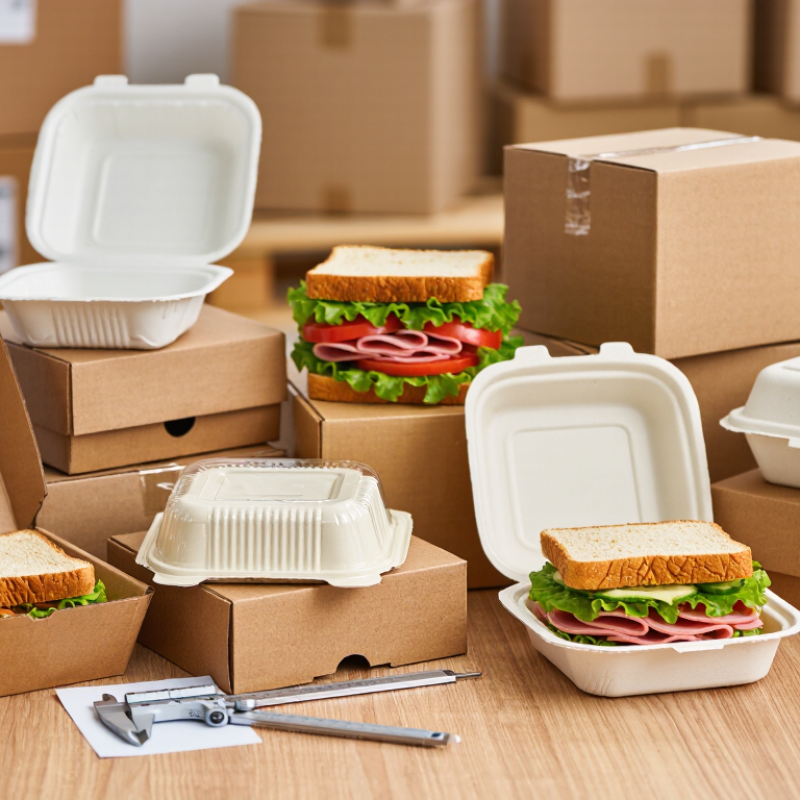
Before choosing a sandwich box for global sourcing, define its real purpose. Is it for school lunches, takeaway meals, office kitchens, or retail shelves? Each use changes the required size, strength, insulation, and opening style. A compact box may suit a child’s lunch, while a catering box needs stronger walls and better stacking stability.
Start with the food itself.
A sandwich with fresh vegetables can release moisture within minutes. The box should resist leaks without making the bread soggy. Check the internal length, width, and height against the actual sandwich, not a catalog sample. Leave enough room for fillings, napkins, or a small fruit portion. A tight fit may look efficient, but it can crush soft bread during transport.
Material decisions also depend on sourcing conditions. Paperboard can offer a lighter feel, while reusable plastic may support repeated use. Both require careful checks for food-contact suitability, odor, surface strength, and temperature tolerance. Ask for test reports, production samples, and clear material specifications. Do not rely on appearance alone. A clean sample can still warp in a humid warehouse.
Consider the full journey from factory to customer. Will boxes face stacking pressure, long-distance shipping, or sudden temperature changes? Test filled units, not empty ones. I once underestimated closure strength during a packaging review; the lid worked on a table but opened inside a delivery carton. That small oversight affected the entire requirement list. Suppliers should also confirm consistent dimensions, inspection methods, and packaging quantities before purchase.
When sourcing sandwich boxes globally, material choice should match the food, route, and disposal system. Polypropylene handles moisture, light oils, and repeated handling. PET offers clear presentation, but it may crack in cold conditions. Paperboard feels natural and prints well, yet it needs a reliable moisture barrier. Molded fiber can reduce plastic use, although performance changes with sauces and long storage. These trade-offs matter. A cheaper box can create higher waste.
Design affects safety as much as appearance. Check whether the lid closes evenly after filling. A hinge should survive repeated opening without shedding fragments. Small vents can protect crisp bread, while sealed corners help contain dressings. Stackable shapes reduce crushing during transport. In sourcing reviews, I test boxes with real sandwiches, not empty samples. Add tomatoes, mayonnaise, and warm fillings. The result may be less attractive than the catalog photo.
For global sourcing, request food-contact declarations, migration test results, and material specifications for every component. Requirements differ by destination, so one report may not cover every market. Ask about inks, adhesives, coatings, and recycled content. Verify lot traceability and factory hygiene controls, including cleaning records and pest management. A HACCP-based system is useful, but paperwork alone cannot prove consistent production. Sample testing should include odor, leakage, seal strength, and temperature exposure. I would also confirm disposal claims locally. “Compostable” is not meaningful without suitable collection facilities.
A reliable sandwich box starts with supplier evidence, not attractive samples. Request a complete material specification, food-contact declaration, factory address, and recent audit report.
Certifications should match the product and market. ISO 22000 supports food-safety management, while BRCGS Packaging Materials helps assess hygiene, traceability, and process control. For paperboard boxes, FSC chain-of-custody certification can verify responsible fiber sourcing.
Still, a certificate alone proves little. Check its scope, expiry date, issuing body, and covered production site.
Test the box under realistic conditions. Fill it with a moist sandwich, stack ten units, and hold them for four hours. Inspect oil migration, corner crushing, lid fit, and condensation.
Ask suppliers for compression, moisture, and migration test reports from accredited laboratories.
The United Nations Environment Programme reported 1.05 billion tonnes of food waste in 2022.
Packaging cannot solve food waste, but poor packaging can worsen it through leaks and damage. Small failures matter.
Production capability needs equal attention. Confirm monthly capacity, mold ownership, minimum order quantity, lead time, and backup equipment.
A supplier may quote 100,000 boxes monthly but lack enough drying capacity during peak season. Ask for batch records and a live production walkthrough.
Review change-control procedures before approving artwork or materials. A spreadsheet can still miss reality.
That is why a pilot order, independent inspection, and retained samples remain necessary. Mistakes happen, even with qualified suppliers. The purchasing process should expose them early.
How to Choose the Best Sandwich Box for Global Sourcing?
A sandwich box should be evaluated by landed cost, not unit price. Request pricing at several order levels, such as 1,000, 5,000, and 20,000 units. Minimum order quantities often reduce the factory price, but they can create excess inventory and storage costs. Compare tooling, samples, printing plates, inspection, inland transport, insurance, and customs charges separately. Ask suppliers to quote identical dimensions and materials. Small design changes matter. A tighter nesting layout can reduce carton volume and shipping charges. I have seen apparently cheap packaging become expensive after oversized cartons were added.
Shipping deserves careful testing. UNCTAD’s Review of Maritime Transport reports that over 80% of global merchandise trade by volume moves by sea. Ocean freight suits planned replenishment, while urgent samples may require air transport. Compare both options using carton dimensions, gross weight, sailing frequency, and delivery time. The World Bank’s 2023 Logistics Performance Index gathered responses from 4,090 logistics professionals across 139 economies. Its results show that customs, infrastructure, and shipment timeliness vary significantly by market. Build those differences into your sourcing plan. Do not trust one estimated transit time.
Request a pre-production sample. Test closure strength, leakage resistance, stacking, and temperature exposure. Confirm whether the box is suitable for direct food contact in the destination market. Keep written records for material specifications and quality tolerances. My own purchasing reviews have sometimes missed the cost of rejected cartons. That is a costly lesson. A modest inspection budget may protect a much larger shipment.
| Box Type | Typical Material and Format | Common Size | Food-Contact and Sustainability Considerations | Indicative MOQ | Estimated Unit Cost EXW | Typical Production Lead Time | Approx. Units per Export Carton | Approx. Carton Volume | Best Shipping Mode | Global Sourcing Risks and Checks | Best Use Case |
|---|---|---|---|---|---|---|---|---|---|---|---|
| Folding Paperboard Sandwich Box | 300–400 gsm food-grade paperboard; flat-packed, tuck-end construction | 120 × 120 × 55 mm | Confirm grease resistance, water-based coating, ink migration compliance, and recycling instructions. | 10,000–30,000 units | US$0.08–0.18 | 18–30 days after artwork approval | 500–1,000 units | 0.035–0.060 m³ | Sea freight for volume; consolidated sea freight for smaller orders | Moisture absorption, crushed corners, artwork color variation, and differences in food-contact regulations by destination. | High-volume takeaway, catering, and retail sandwiches where low cost and compact shipping are priorities. |
| Kraft Paperboard Window Box | 350–450 gsm kraft paperboard with a cellulose or PET viewing window | 130 × 125 × 60 mm | Window material must be identified separately for recycling; verify grease barrier and compostability claims. | 15,000–40,000 units | US$0.14–0.28 | 25–35 days | 400–800 units | 0.040–0.070 m³ | Sea freight; air freight only for urgent samples or launch quantities | Mixed-material construction may reduce recyclability; window scratching and adhesive performance need inspection. | Premium sandwiches, bakery counters, delis, and products where visibility improves purchase appeal. |
| Molded Fiber Sandwich Tray with Lid | Molded bagasse or recycled fiber tray; separate fiber or clear lid | 145 × 110 × 55 mm | Check PFAS-free grease resistance, compostability certification, odor transfer, and moisture tolerance. | 20,000–50,000 units | US$0.18–0.38 | 30–45 days | 250–500 units | 0.050–0.090 m³ | Sea freight; full-container shipments improve cost efficiency | Higher volume per unit, possible fiber dust, dimensional variation, and local restrictions on compostability claims. | Foodservice programs seeking a plastic-reduction position and stronger rigidity than thin paperboard. |
| PP Plastic Hinged Sandwich Container | Food-grade polypropylene; one-piece hinged or snap-lock design | 145 × 120 × 55 mm | Confirm resin identification, food-contact compliance, recycled-content claims, and end-of-life labeling. | 10,000–30,000 units | US$0.16–0.34 | 25–40 days; tooling may add 20–45 days | 200–400 units | 0.060–0.110 m³ | Sea freight; avoid air freight because empty containers are bulky | Low packing density, hinge breakage, mold maintenance, and destination-market restrictions on single-use plastics. | Chilled sandwiches requiring moisture resistance, stackability, and a clear product view. |
| rPET Clear Sandwich Clamshell | Recycled PET sheet formed into a transparent hinged container | 140 × 115 × 55 mm | Verify recycled-content percentage, food-contact authorization, clarity, and recycling code requirements. | 20,000–50,000 units | US$0.20–0.42 | 30–45 days; tooling may apply | 200–350 units | 0.065–0.115 m³ | Sea freight; regional distribution is preferred for bulky packaging | Potential cracking at low temperatures, limited nesting efficiency, and extended-producer-responsibility fees in some markets. | Retail sandwiches where product visibility and tamper evidence are more important than minimum freight volume. |
| Aluminum Foil-Laminated Board Box | Paperboard with aluminum foil or metallized barrier laminate; foldable format | 130 × 120 × 60 mm | Confirm heat resistance, laminate composition, food-contact adhesive, and disposal requirements for composite materials. | 20,000–50,000 units | US$0.16–0.32 | 25–40 days | 400–800 units | 0.040–0.075 m³ | Sea freight; air freight is practical only for small trial volumes | Composite materials may be difficult to recycle; check delamination, oil leakage, and print adhesion. | Warm or oily sandwiches requiring stronger grease and aroma barriers. |
| Reusable PP Lunch Box | Rigid polypropylene box with snap lid; washable and reusable design | 160 × 120 × 65 mm | Confirm repeated-use test results, dishwasher suitability, migration compliance, and durability of hinges or seals. | 5,000–15,000 units | US$0.55–1.20 | 35–55 days; tooling may apply | 80–160 units | 0.080–0.140 m³ | Sea freight; regional warehousing is recommended | High cubic volume, higher import value, mold cost, and the need to validate actual reuse cycles. | Meal subscriptions, institutional catering, deposit-return programs, and premium takeaway services. |
| Paper Sleeve with Inner Tray | Printed paper sleeve combined with a fiber, paperboard, or plastic inner tray | 145 × 115 × 55 mm | Evaluate recyclability of the combined system, sleeve fit, grease resistance, and separation at disposal. | 10,000–30,000 units | US$0.12–0.30 | 25–40 days | 300–700 units | 0.045–0.085 m³ | Sea freight or consolidated sea freight | Loose sleeves can shift during transit; tray compression, fit tolerance, and manual packing labor must be tested. | Brand-forward presentation with a lower material cost than a fully printed rigid container. |
How to Choose the Best Sandwich Box for Global Sourcing?
A sample is evidence, not a promise. In practical sourcing work, I check the box with the sandwich it will actually carry. I measure length, width, height, and lid alignment. Small gaps can become large problems during transport.
I test grease resistance with sauces, sliced tomatoes, and warm fillings. I also inspect odor, surface coating, folding accuracy, and edge strength. A ten-box trial often reveals more than one attractive sample. Drop testing matters too. The packed carton should survive normal handling without crushed corners. Ask for food-contact material records, production photos, and a clear inspection report. Documents should match the tested material, not an older version.
My own mistake was approving a sample before checking cold-storage performance. The lid became brittle. That was avoidable. I now request tests at expected temperatures and allow written tolerances for dimensions, printing, and weight. The sourcing agreement should state the approved sample code, material grade, packing method, minimum order quantity, lead time, and inspection standard. Include what happens after a failed inspection. Replacement, rework, or credit terms must be specific. Confirm who owns tooling and who approves design changes. Leave no detail implied. A friendly discussion is useful, but the signed agreement controls the shipment.
Verify samples against practical purchasing criteria before finalizing the sourcing agreement.
The evaluation model assigns the highest priority to food-contact compliance, structural performance, and sample-to-specification consistency. Suppliers should pass every mandatory safety requirement before commercial terms and production tolerances are signed.